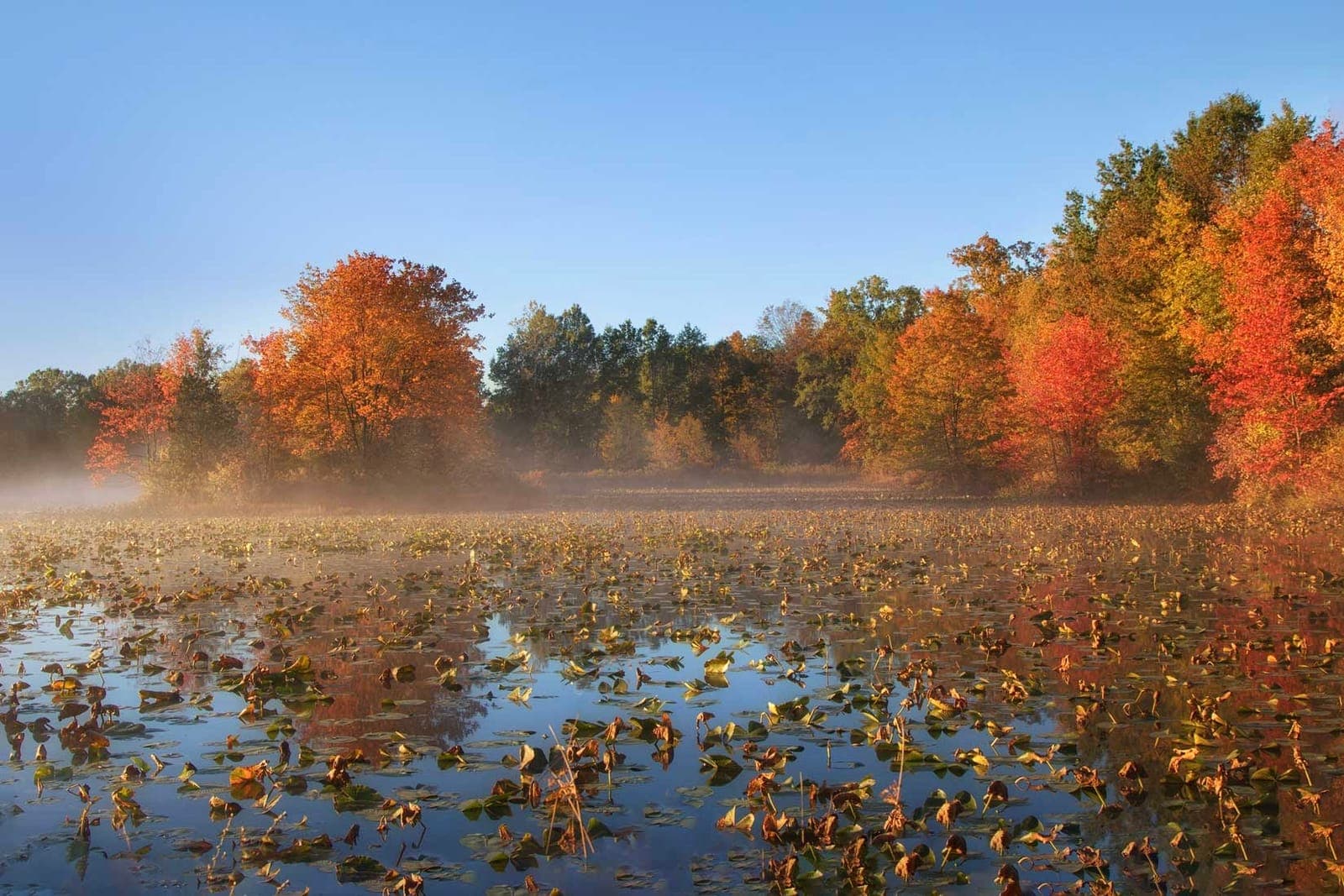
The Lenni Lenape lived in the area for more than 12,000 years, relying on its fish, game and plants. During the American Revolution, the swamp’s wetlands, forests and the nearby Watchung Mountains formed a natural defense around General George Washington’s encampment in Morristown, helping shield the Continental Army from British forces based in New York.
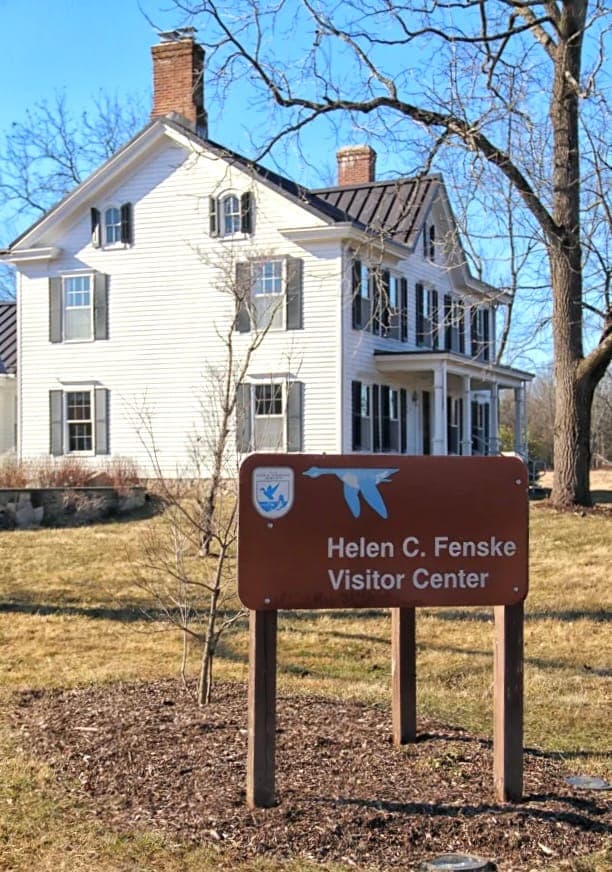
The Bockoven family, German immigrants who fought on the American side during the Revolutionary War, is among the families connected to the area, according to the Elizabeth Snyder-Continental Chapter of the Daughters of the American Revolution. The refuge’s Helen C. Fenske Visitor Center occupies a historic house once owned by the Bockovens, and the half-mile Bockoven Trail winds past a vernal pool with views of the Passaic River.
The refuge exists because residents stepped in. When a jetport was proposed for the swamp in 1959, local residents raised more than a million dollars to buy the property. Congress established the refuge on November 3, 1960. About 3,660 acres in the eastern portion became the nation’s first Wilderness Area on Department of the Interior lands in 1968, open to foot travel only.
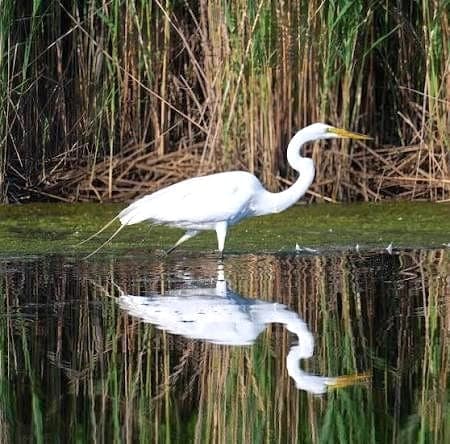
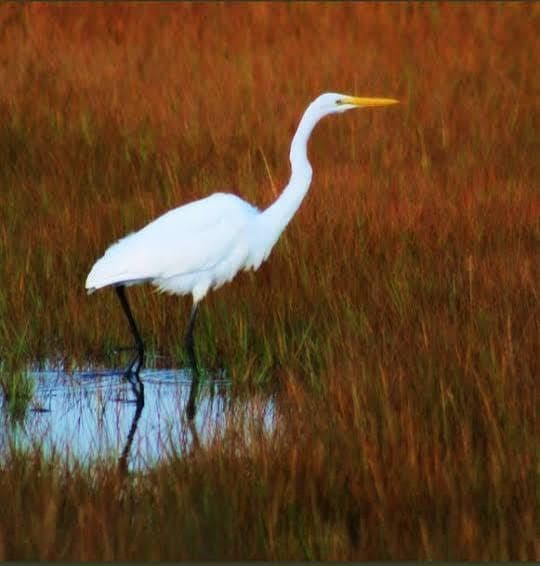
Today, more than 244 bird species use the refuge as a resting and feeding stop during migration, along with fox, deer, muskrat, turtles and frogs. The Fenske Visitor Center, at 32 Pleasant Plains Road in Harding Township, offers exhibits on wildlife, habitats and local history. Hours and trail information are available at fws.gov/refuge/great-swamp.
Source: U.S. Fish and Wildlife Service; Friends of Great Swamp National Wildlife Refuge; Elizabeth Snyder-Continental Chapter, Daughters of the American Revolution